THE FIRST RENOVATION SERIES | The Magnolia Effect
Every generation leaves a little evidence of what it thought a home should be.
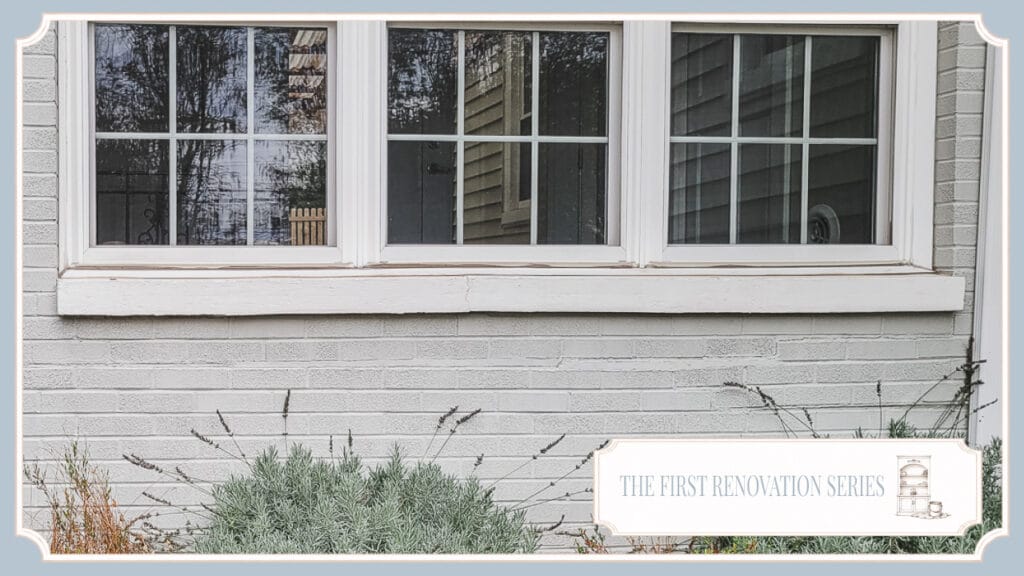
By the time we found the cottage, its exterior was gray. Not one gray, but two.
Soft, cool gray covered the brick while a second darker shade picked up the concrete stairs and skirting, giving the little house the quiet, neutral appearance that had become familiar on homes across America.
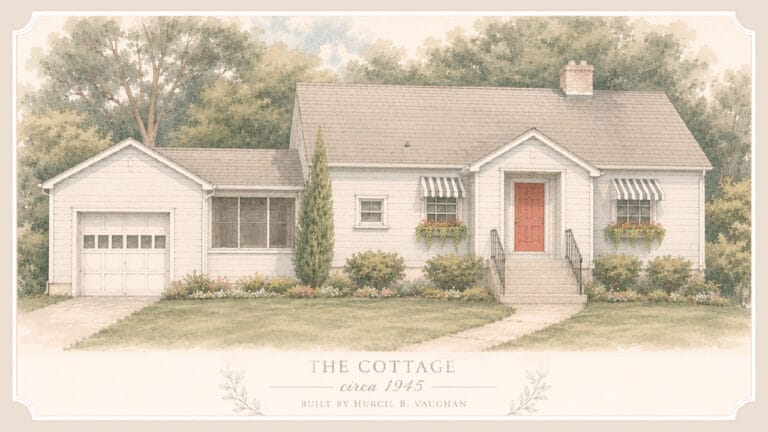
As we began examining the state of the cottage exterior, we noticed hints of pink beneath the gray and began to wonder how many different colors this little cottage has been dressed in. After more than fifty years with the Vaughan family, the cottage eventually passed into new hands. The family who purchased it from Hurcil’s daughter in 2007, found themselves with a house that had already lived an entire lifetime.
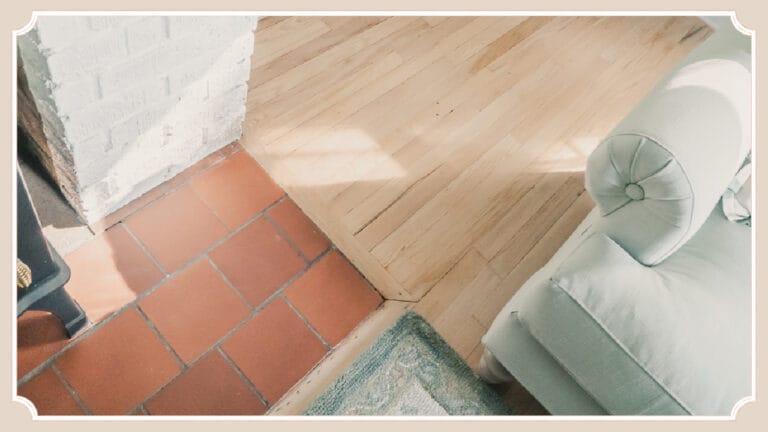
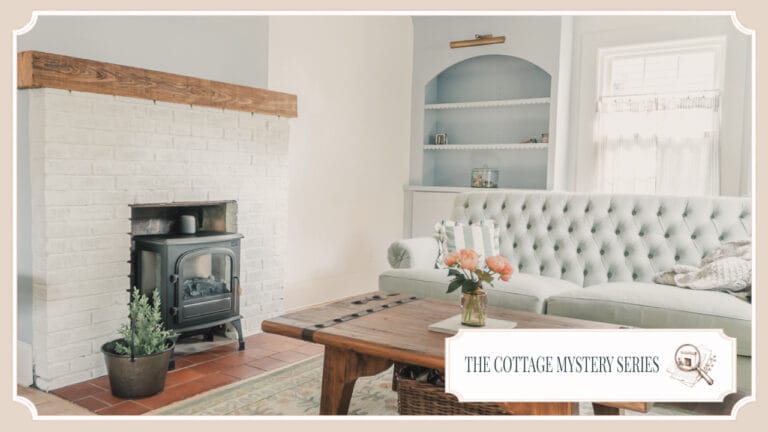
Throughout the next decade, the new family began making it their own. This was the cottage’s first (and only) major renovation. Some of the changes were practical, while others reflected the way people were beginning to think about their homes at the time. One of the most visible changes happened right outside.
To understand why the gray choice matters, you have to remember what was happening in American homes around 2015. A television show set in Waco, Texas, had begun introducing millions of viewers to old houses that could be made new again. Chip and Joanna Gaines walked through dated rooms and saw possibilities. Walls came down, old materials were uncovered, shiplap appeared, and color slowly seemed to drain from walls.
Gray began to find its way into many homes. It was clean, neutral, and calm. Compared with the warmer beiges and golden tones that had dominated many homes before it, gray felt completely new. Entire interiors were wrapped in cool neutral palettes, while exteriors followed with gray siding, gray-painted brick, white trim and darker accents. What had once felt fresh eventually became one of the defining looks of the decade.
While we don’t know whether the former owners were sitting in front of Fixer Upper choosing paint colors, we do know that the timing places the renovation squarely within a much larger change happening in American design. The cottage was being updated during the same years that homeowners across the country were reconsidering what an older house could look like and gray was having its moment.
There’s something fascinating about looking at a renovation once enough time has passed. What feels timeless while you’re choosing it often isn’t timeless at all. It belongs to a moment. The avocado kitchens of the 1970s belonged to theirs. The mauves and dusty blues of the 1980s belonged to another. Tuscan kitchens and warm beige walls eventually became unmistakably early 2000s. Today, we can look at gray and almost immediately recognize the era that chose it.
It would be easy to list off all the modern changes we see in each room of the cottage made between 2010 and 2015 and judge them only by whether we would make the same choices today, but that would miss part of the cottage’s story.
The family who lived here before us wasn’t trying to preserve a house exactly as it had appeared in 1945. They were creating a home for themselves.
Just as the Vaughan family had.
And just as we’re doing now.
Their choices became another chapter in the cottage story. To understand the chapter we are currently writing, you would need to know the chapter that came before. When we first began researching the cottage, we naturally wanted to find the original version of everything.
Who built it?
What had survived since 1945?
What was original to the English-inspired Cape Cod heritage?
Those questions still matter enormously to us, but we’ve slowly realized that a house with eighty years of history doesn’t have only one past. It has many. Each version leaves something behind for the next.
The once-new gray exterior belongs to one of those chapters and will become a layer underneath the chapter we are writing today in 2026.
The little Cape Cod had been built in 1945 as a practical family home. Seventy years later, another generation looked at that same old house and imagined something new. Around them, America was falling in love with old houses all over again. People were rescuing original floors, celebrating farmhouse details, filling rooms with reclaimed wood, and discovering that an older home didn’t have to feel old-fashioned. There was something genuinely wonderful about that movement.
Today, design has begun moving again. Warm colors have returned. Wood tones are getting richer. Wallpaper, pattern, and traditional details are finding their way back into rooms that spent years dressed in neutrals.
But for a time, the Magnolia effect influenced a new chapter in this cottage’s history, and we would be remiss not to acknowledge the full life of the cottage’s story.
Until next week,

Next Week
Summer has lingered at the cottage for weeks, but little signs of change are beginning to appear. The light is shifting, the garden is changing, and another season is finding its way back to the cottage.
Next week, autumn arrives.